
How Programme Communication Affects Reward Programme Success

Sign up for our newsletter for trending top content!
Introduction
Clear and consistent communication is a critical factor in the success of any reward programme. According to SHRM, organisations that actively communicate programme goals, updates, and milestones see up to 25% higher participation rates. For HR Leaders, this means that well-structured communication directly influences engagement, adoption, and the perceived value of recognition initiatives.
This article explores how reward programme communication impacts participation, the best practices for messaging frequency and channels, and how technology like ApplaudIQ enables scalable, multi-channel notifications to reinforce programme success. By understanding communication strategies, HR Leaders can optimise reward programmes, foster engagement, and enhance employee satisfaction.
Why Does Programme Communication Drive Engagement?
Effective communication ensures that employees understand the purpose, rules, and benefits of a reward programme. When participants are informed, they are more likely to engage, participate consistently, and align behaviours with organisational goals.
According to Gallup, employees who clearly understand reward criteria are 28% more likely to exhibit high performance. Communication also reduces confusion and perceived unfairness, preventing disengagement.
Organisations with structured communication frameworks integrate messages across emails, internal portals, and team meetings. This consistency fosters a culture of transparency and recognition.
How Frequently Should HR Communicate Reward Programmes?
Timing and frequency are as important as content. Forrester reports that programmes with monthly or quarterly updates achieve higher adoption than those with ad-hoc announcements. Over-communication can lead to message fatigue, while under-communication reduces visibility.
A recommended communication cadence includes:
Leveraging multi-channel notifications, as offered by ApplaudIQ, ensures participants receive timely updates through email, mobile, and intranet dashboards. This method guarantees that key messages reach all segments without overwhelming recipients.
Which Channels Are Most Effective for Reward Programme Communication?
The choice of communication channel impacts reach and engagement. Deloitte highlights that employees are 30% more responsive when programmes are communicated through their preferred channels.
Effective channels include:
Combining channels with consistent messaging ensures employees stay informed, understand reward criteria, and feel motivated to participate actively.
How Can Technology Improve Programme Communication?
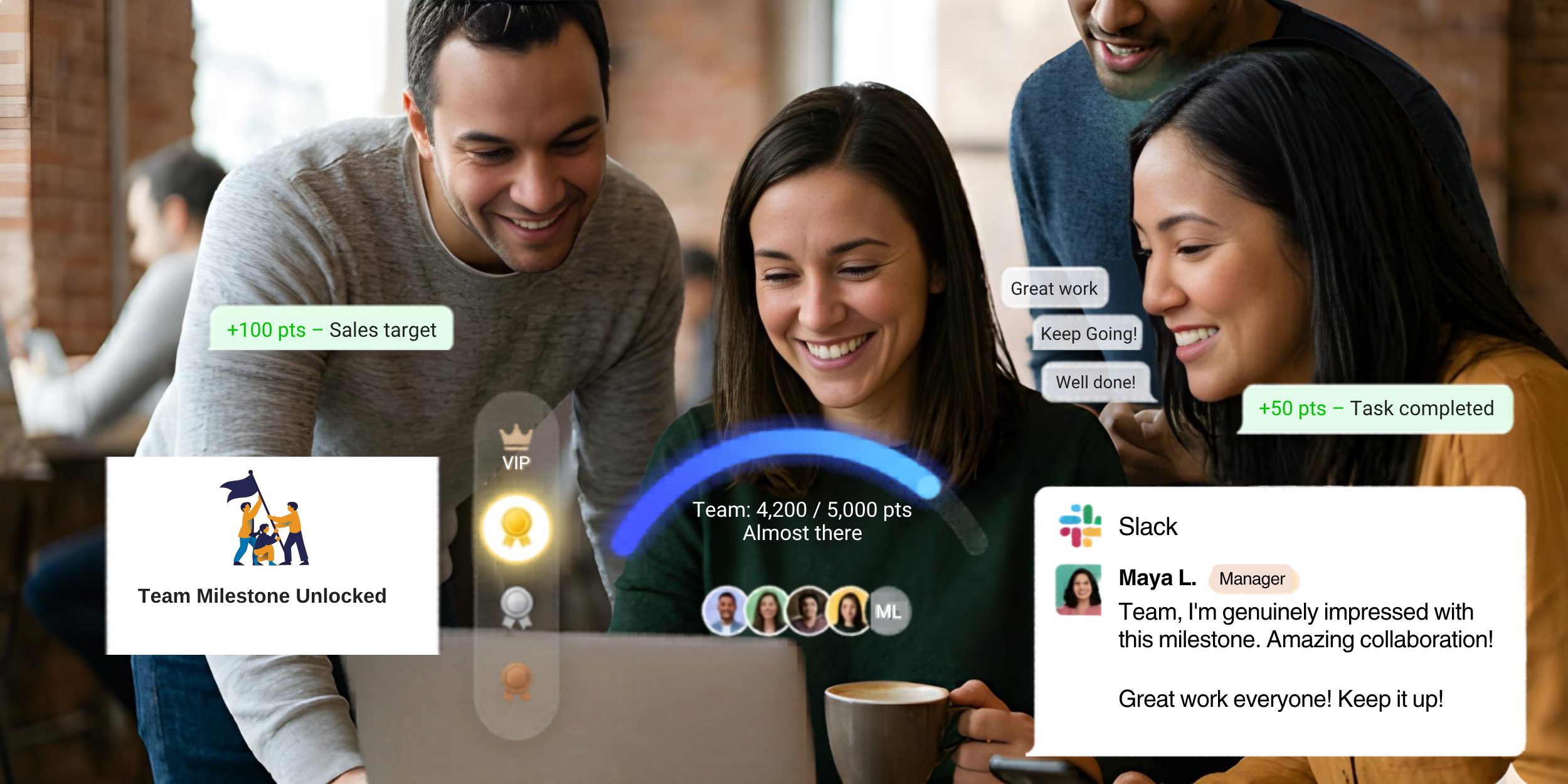
Technology platforms streamline and scale communication for large workforces. Tools like ApplaudIQ allow HR teams to schedule notifications, send reminders, and highlight achievements in real-time across multiple channels.
Key benefits include:
- Centralised control of messaging
- Real-time visibility of participant engagement
- Automation of milestone alerts
- Data insights to optimise communication frequency
According to Aberdeen Group, organisations using automated recognition communication see 20–30% higher programme engagement. Technology reduces manual effort, ensures consistency, and reinforces the value of the programme to all participants.
Frequently Asked Questions
What channels should HR use to communicate reward programmes?
HR should leverage a mix of email, intranet dashboards, mobile notifications, and team briefings. Multi-channel strategies improve reach and reinforce message consistency.
How often should communication occur?
A balanced cadence is recommended: launch messaging at the start, monthly reminders, milestone highlights, and quarterly summaries. Consistency without overload is key.
Can real-time dashboards improve participation?
Yes. Platforms like ApplaudIQ offer real-time visibility into achievements and programme updates, motivating employees through instant recognition and progress tracking.
How does clear communication impact engagement?
Clear, consistent messaging ensures employees understand programme goals and reward criteria, leading to higher participation, trust, and alignment with organisational objectives.
Conclusion
Transparent and structured communication is critical for reward programme success. HR Leaders who adopt multi-channel strategies, consistent messaging, and real-time updates increase engagement, trust, and performance. As organisations scale, leveraging platforms like ApplaudIQ ensures communication is both efficient and impactful, reinforcing recognition culture while driving measurable outcomes.
See how ApplaudIQ enables multi-channel reward programme notifications to boost engagement. Explore features.
Sign up for our newsletter for trending top content!


