
How Can Marketing Leaders Design Loyalty Programmes for Sustainable Redemption?

Sign up for our newsletter for trending top content!
Introduction
A loyalty programme succeeds when customers redeem rewards regularly and continue participating over time. Low redemption rates often indicate that rewards lack relevance, while excessive redemption without strategic planning can reduce programme profitability. According to Bain & Company, increasing customer retention by just 5 per cent can increase profits by 25 to 95 per cent, making long-term engagement a higher priority than short-term acquisition. Sustainable redemption strategies help brands balance customer satisfaction with commercial performance by offering meaningful rewards that encourage ongoing participation.
This guide explains why sustainable redemption matters, how Marketing Leaders can design reward catalogues that remain relevant over time, which reward categories encourage continued engagement, and how technology supports scalable loyalty programme management.
Why Is Sustainable Redemption Important for Loyalty Programmes?
Redemption is one of the strongest indicators of programme health. Customers who actively redeem rewards are generally more engaged because they understand the value of participating and can clearly see the benefits of remaining loyal.
According to the Incentive Research Foundation (IRF), non-cash rewards often generate stronger emotional value than cash because recipients associate them with achievement rather than routine spending. Sustainable redemption strategies therefore focus on providing rewards that customers genuinely want rather than simply reducing programme costs.
Marketing Leaders should design redemption programmes that encourage behaviours such as:
- Repeat purchases.
- Product exploration.
- Membership progression.
- Referrals.
- Community participation.
- Long-term engagement.
A sustainable strategy also protects programme economics. Rather than encouraging customers to redeem points immediately for low-value rewards, brands should provide a balanced catalogue that includes accessible rewards, aspirational experiences, and premium redemption opportunities.
This approach keeps customers engaged throughout the loyalty journey while improving perceived programme value.
What Reward Choices Create Long Term Customer Engagement?
Reward choice directly influences redemption behaviour. Customers are more likely to participate when they can select rewards that reflect their interests, lifestyle, and personal preferences.
A balanced redemption catalogue should include:
According to Forrester, customer loyalty improves when experiences feel personalised rather than transactional. Reward catalogues should therefore offer enough variety to satisfy different customer segments while remaining simple to navigate.
The Reward Store's integrated catalogue supports this approach by combining gift cards from more than 5,000 brands with merchandise, hotel bookings, flight bookings, dining vouchers, sports experiences, golf experiences, bus bookings, concierge services, and curated experiences.
Instead of limiting customers to a single reward category, Marketing Leaders can encourage higher redemption by providing meaningful choice across multiple lifestyle preferences.
How Should Marketing Leaders Design Sustainable Redemption Strategies?
Successful redemption strategies begin with customer behaviour rather than reward selection. Marketing Leaders should first identify the actions they want customers to repeat and then design rewards that reinforce those behaviours.
A practical decision framework includes:
According to McKinsey, organisations that excel at personalisation consistently outperform competitors because they deliver more relevant customer experiences. The same principle applies to loyalty redemption. Customers should receive recommendations based on purchase history, engagement level, redemption behaviour, and programme status rather than identical catalogues.
Marketing Leaders should also review catalogue performance regularly. Redemption trends change as customer preferences evolve, making continuous optimisation essential for programme sustainability.
The strongest loyalty programmes combine practical rewards with memorable experiences, enabling customers to redeem points in ways that reflect their individual motivations while maintaining long-term engagement with the brand.
How Can Rekyndl Support Sustainable Loyalty Redemption?
Sustainable redemption depends on more than the breadth of a reward catalogue. Marketing Leaders need technology that continuously matches rewards to customer behaviour, automates engagement, and provides visibility into redemption performance. Without these capabilities, even a well-designed catalogue can lose relevance over time.
According to Forrester, organisations that connect customer data, personalisation, and digital engagement create stronger loyalty because customers receive relevant experiences throughout their lifecycle. Rekyndl supports this approach by combining loyalty management with marketing automation and an integrated rewards ecosystem.
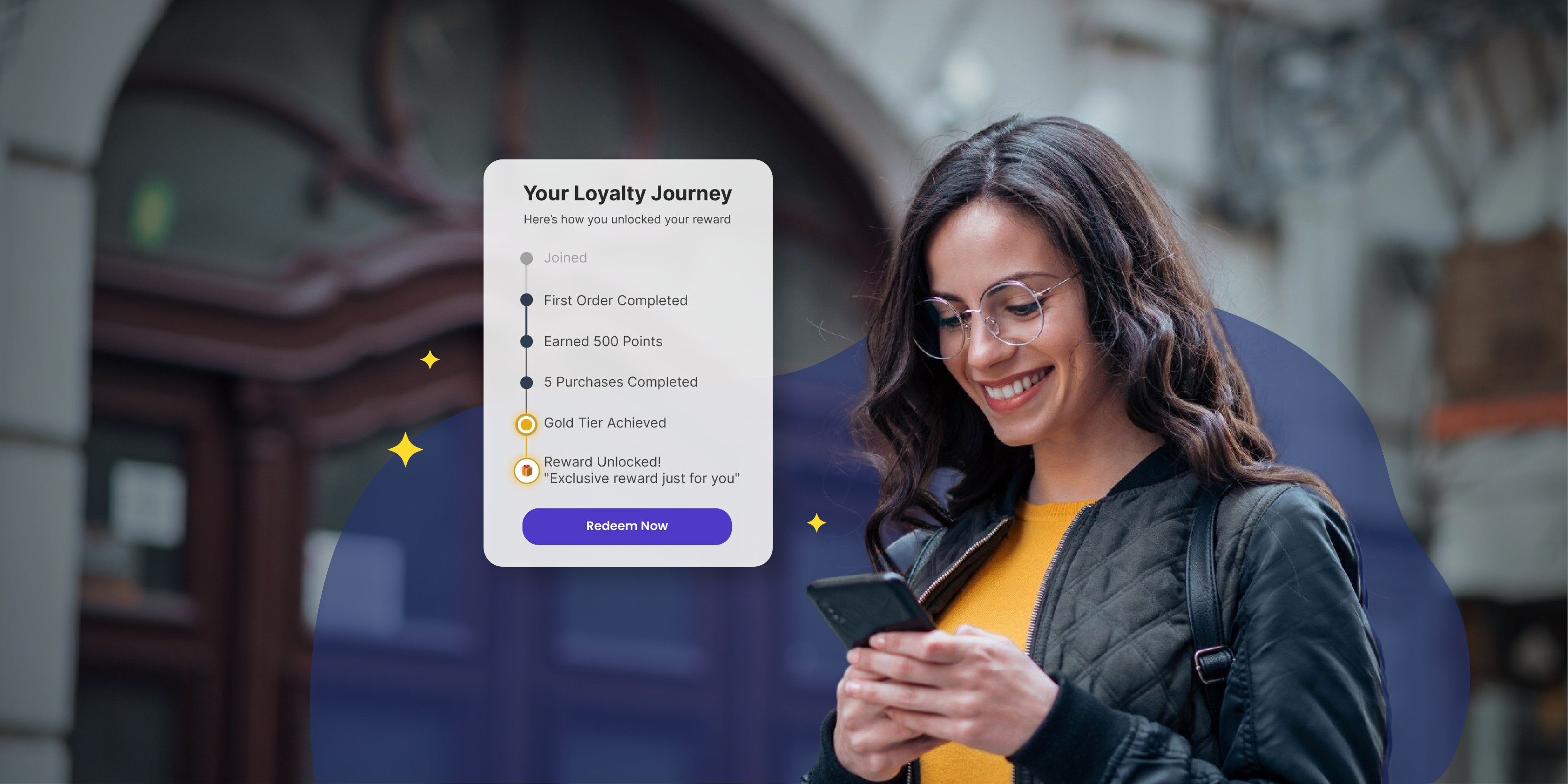
A typical sustainable redemption journey can include:
- Behaviour-based reward recommendations.
- Tier-specific redemption options.
- Automated milestone campaigns.
- Personalised catalogue experiences.
- Lifecycle communications.
- Real time redemption analytics.
- Campaign optimisation.
Through The Reward Store's integrated catalogue, customers can redeem points across multiple categories, including gift cards from more than 5,000 brands, merchandise, hotel bookings, flight bookings, dining vouchers, sports experiences, golf experiences, bus bookings, concierge services, and curated experiences. This diversity helps brands maintain long-term programme relevance while reducing catalogue fatigue.
Instead of treating redemption as the end of the customer journey, Marketing Leaders should use it to encourage the next valuable interaction.
Which Metrics Should Marketing Leaders Track for Sustainable Redemption?
A loyalty programme should measure business impact rather than redemption volume alone. High redemption rates are valuable only when they contribute to stronger engagement, improved retention, and increased customer lifetime value.
A balanced measurement framework includes:
According to Bain & Company, successful loyalty programmes encourage customers to deepen their relationship with the brand over time rather than rewarding isolated purchases. Marketing Leaders should therefore analyse redemption alongside purchasing behaviour, advocacy, and retention metrics.
Regular catalogue reviews also improve programme performance. Introducing new experiential rewards, seasonal collections, and personalised recommendations keeps redemption options relevant while supporting long-term engagement.
What Framework Helps Build a Sustainable Loyalty Programme?
Sustainable loyalty programmes balance customer value with commercial sustainability. They reward meaningful behaviours, provide relevant redemption choices, and continuously adapt to changing customer preferences.
Marketing Leaders can use the following framework:
According to McKinsey, organisations that invest in data-driven personalisation consistently outperform those relying on broad customer segmentation. Loyalty programmes should therefore evolve continuously rather than remaining static after launch.
A sustainable redemption strategy also requires governance. Marketing teams should monitor reward costs, customer satisfaction, supplier performance, and catalogue utilisation to ensure programmes remain commercially viable while continuing to deliver meaningful customer value.
Frequently Asked Questions
What is sustainable redemption in a loyalty programme?
Sustainable redemption is the practice of designing reward programmes that encourage ongoing participation while maintaining commercial viability. It balances customer satisfaction, redemption value, programme costs, and long-term engagement.
How can brands improve loyalty redemption rates?
Brands improve redemption by offering relevant reward choices, personalising recommendations, simplifying the redemption process, and regularly refreshing their catalogues. A diverse mix of merchandise, travel, dining, gift cards, and experiences typically increases programme appeal.
Why are experiential rewards important in loyalty programmes?
Experiential rewards create stronger emotional connections because customers associate them with memorable moments rather than routine purchases. They also encourage customers to remain engaged as they work towards aspirational redemption goals.
Can Rekyndl support sustainable loyalty redemption?
Yes. Rekyndl combines loyalty management, behavioural segmentation, marketing automation, and an integrated reward catalogue to help organisations deliver personalised and sustainable redemption experiences. It supports reward categories including merchandise, travel, dining, gift cards, sports, concierge services, and curated experiences.
When should Marketing Leaders review their reward catalogue?
Marketing Leaders should review redemption performance throughout the year and conduct a comprehensive catalogue assessment at least annually. Regular optimisation ensures rewards remain relevant as customer preferences and business priorities evolve.
Conclusion
Sustainable redemption transforms loyalty programmes from short-term promotional tools into long-term engagement strategies. Marketing Leaders should focus on meaningful customer behaviours, relevant reward choices, and continuous optimisation rather than redemption volume alone.
By combining personalisation, automation, and a diverse rewards catalogue, organisations can create loyalty programmes that strengthen customer relationships while delivering sustainable commercial value. As customer expectations continue to evolve, flexible redemption strategies will become an increasingly important competitive advantage.
See how Rekyndl helps brands deliver sustainable loyalty programmes with marketing automation, personalised customer journeys, and an integrated rewards catalogue featuring merchandise, travel, dining, experiences, and thousands of redemption choices.
Sign up for our newsletter for trending top content!


