
Distributor fatigue and incentive motivation: strategies to re-engage your channel

Sign up for our newsletter for trending top content!
Introduction
Aberdeen Group reports that over 40% of channel partners disengage due to incentive fatigue, leading to reduced sales and lower ROI. Sales Leaders in Consumer Goods and Retail often struggle to maintain partner motivation when programmes are repetitive, rewards are unclear, or communication is inconsistent.
This article explores the causes of distributor fatigue, identifies strategies to reinvigorate engagement, and highlights incentive structures that balance performance motivation with partner satisfaction. By implementing data-driven reward programmes and flexible redemption options, organisations can sustain high performance across their channel networks.
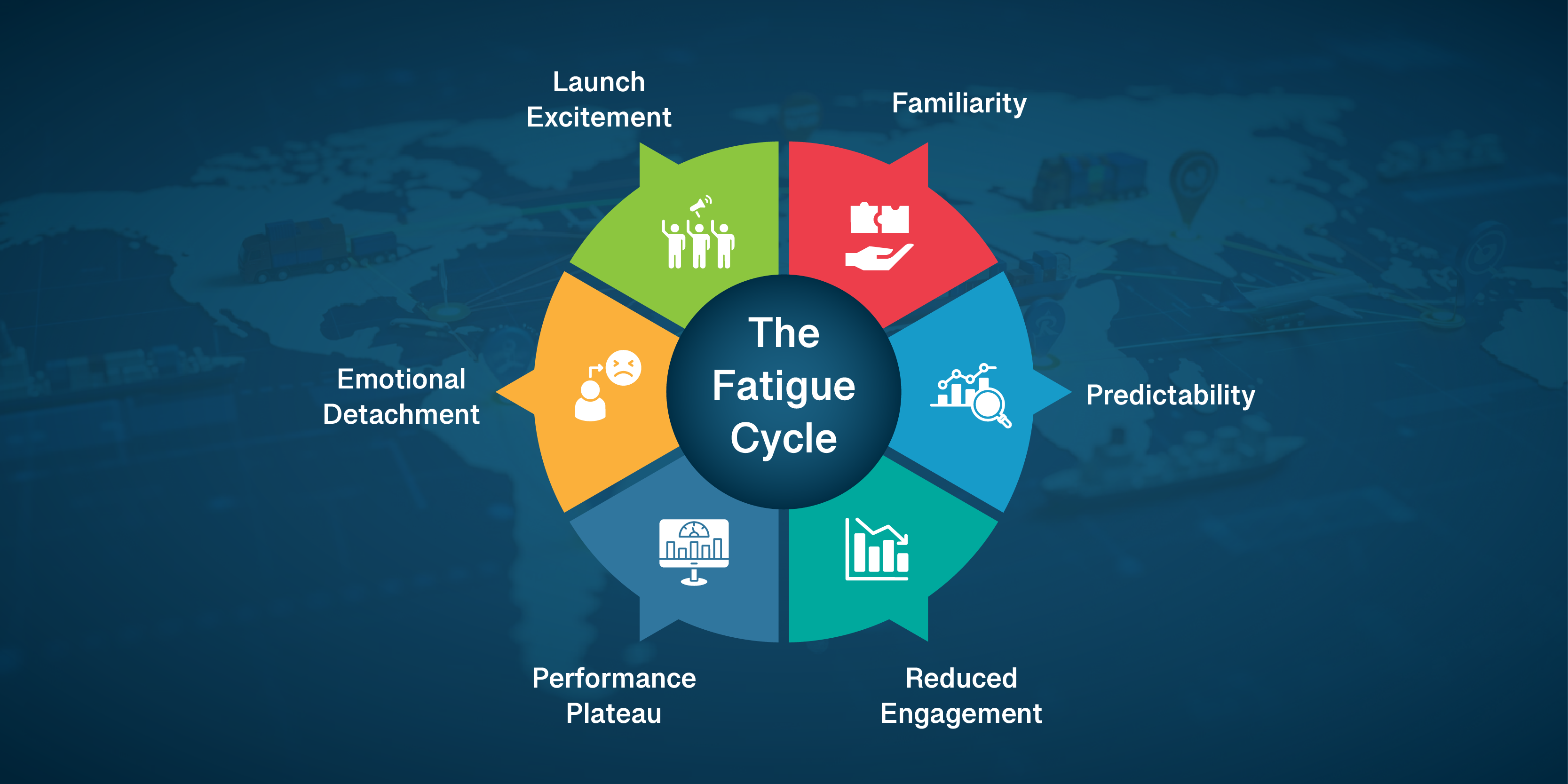
Why do channel partners experience incentive fatigue?
Distributor fatigue arises when partners feel overworked, underappreciated, or overwhelmed by constant incentive programmes. McKinsey’s 2025 Channel Partner Report shows that partners participating in more than three overlapping incentive campaigns per quarter experience a 20% drop in engagement.
Common causes include:
- Repetitive reward structures that fail to surprise or motivate
- Lack of transparency in points, tiers, or reward delivery
- Poor communication or delayed recognition
Decision guide: Adopt the “3R Framework”:
- Refresh: Rotate reward types and campaign themes regularly.
- Relevance: Align incentives with individual or regional performance metrics.
- Recognition: Ensure timely acknowledgement and delivery of rewards.
Using platforms like Paytives, Sales Leaders can automate campaign scheduling, provide real-time reward tracking, and customise incentives to partner preferences, reducing fatigue and sustaining engagement.
How can flexible incentives re-engage disengaged partners?
Forrester research shows that customisable rewards and flexible redemptions increase partner participation by up to 25%.
Strategies include:
- Tiered rewards: Incentivise top performers without penalising smaller contributors
- Choice-based rewards: Allow partners to select from experiential rewards, gift cards, travel, or merchandise
- Milestone recognition: Celebrate achievements beyond sales volume, such as onboarding, training completion, or customer satisfaction
Comparison
Flexible rewards increase perceived value, motivate participation, and create long-term loyalty without adding unnecessary complexity to programme management.
Which incentive structures prevent burnout while driving results?
Sustainable incentive programmes balance challenge and reward. Bain & Company notes that overly aggressive incentive schemes can reduce partner morale by 15%.
Best practices include:
- Limit campaign overlap to reduce cognitive overload
- Use a mix of short-term spot awards and long-term milestones
- Incorporate non-monetary recognition such as certificates, public acknowledgment, or leaderboards
Framework: Incentive Balance Matrix
- Short-term vs Long-term: Mix spot rewards with annual recognition
- Monetary vs Experiential: Combine tangible rewards with experiences or learning opportunities
- Performance vs Behaviour: Reward both sales results and behaviours aligned with brand values
Platforms like Paytives enable Sales Leaders to automate and balance these incentive types while tracking impact in real time.
How can data-driven insights optimise channel motivation?
Real-time analytics provide visibility into partner engagement and ROI. Deloitte reports that organisations using analytics-driven incentives see a 20% higher adoption rate and improved sales consistency.
Key insights to monitor:
- Participation frequency per partner or region
- Reward redemption patterns and preferences
- Campaign ROI and incremental sales
Using dashboards and analytics within Paytives, Sales Leaders can adjust campaign parameters, optimise reward types, and target disengaged partners proactively, ensuring continuous motivation.
Frequently Asked Questions
What causes distributor fatigue?
Distributor fatigue occurs when incentives are repetitive, unclear, or poorly communicated, leading to disengagement and reduced performance.
How can a disengaged partner network be re-engaged?
Flexible rewards, timely recognition, and customised campaigns aligned with partner goals can reignite engagement and motivation.
What incentive structures prevent burnout?
A mix of spot awards, milestone recognition, tiered rewards, and non-monetary acknowledgement balances challenge and motivation, preventing fatigue.
Can Paytives help manage channel incentives effectively?
Yes. Paytives enables automated campaign management, flexible reward delivery, and real-time analytics, helping Sales Leaders sustain engagement and measure ROI. (Paytives Consumer Goods & Retail)
Conclusion
Distributor fatigue undermines engagement and sales performance, but strategically designed incentive programmes can reverse the trend. By balancing flexible rewards, tiered incentives, and timely recognition, Sales Leaders can re-energise their channel networks.
Platforms like Paytives streamline campaign management, automate rewards, and provide actionable analytics, ensuring sustained partner motivation and maximised ROI.
See how Paytives helps consumer goods and retail companies manage channel incentives, prevent fatigue, and maximise partner motivation. Explore the solution today.
Sign up for our newsletter for trending top content!


