
Why Cash-Based Distributor Incentives Stop Working?

Sign up for our newsletter for trending top content!
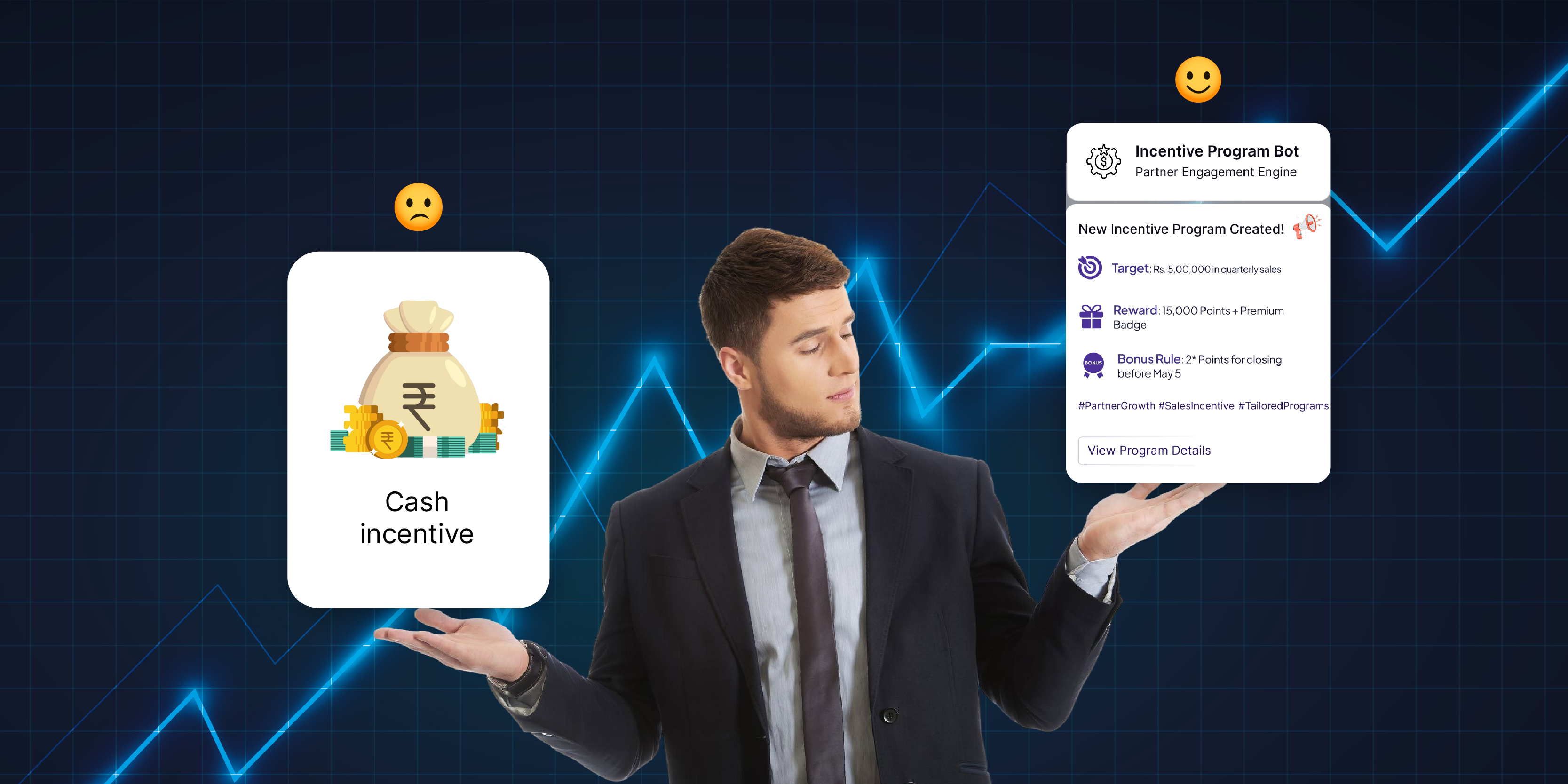
Cash-based distributor incentives stop working because they are quickly absorbed into normal earnings, become expected rather than motivating, fail to influence day-to-day behaviour, and do not create loyalty or brand preference. Over time, they turn into a cost of doing business rather than a driver of growth.
Introduction
For years, cash rebates and bonuses were the default way to motivate distributors. If you wanted more volume, more focus, or more commitment, you paid more money.
Today, that approach is losing its impact. Many brands are investing significant budgets in cash incentives and seeing little to no change in distributor behaviour.
Sales may hold steady, but loyalty does not increase, understanding does not improve, and performance drops the moment the cash stops.
The problem is not the size of the incentive. The problem is the type of incentive.
1. Cash Gets Lost in the Business
When a distributor receives a cash rebate, it rarely feels like a reward.
Instead:
- It is booked as margin or profit
- It blends into overall earnings
- It is often invisible to branch staff and sales teams
The people who actually influence customer choice (counter staff, account managers, branch managers) never experience the incentive directly.
As a result, there is no emotional impact, no sense of recognition, and no reason to change behaviour.
2. Cash Quickly Becomes an Expectation
Cash incentives create a baseline that is hard to escape. Once a distributor receives regular rebates:
- They expect them every year
- Removing them damages the relationship
- Increasing them raises costs without increasing effort
What starts as a motivator quickly becomes an entitlement. Instead of driving performance, cash incentives simply maintain the status quo.
3. Cash Does Not Differentiate Your Brand
Every supplier can offer cash. From a distributor’s perspective:
- One rebate looks like another
- One bonus is easily replaced by a competitor understanding price
Cash does not give distributors a reason to prefer your brand, talk about your products, or recommend you first.
When incentives are purely financial, decisions default to availability, convenience, and price - not loyalty.
4. Cash Rewards Outcomes, Not Behaviours
Most cash-based programmes reward results at the end of a period, such as total sales or volume growth.
They rarely:
- Encourage product training
- Reinforce brand messaging
- Support new product launches
- Reward daily selling behaviours
This means distributors optimise for short-term volume, not long-term partnership. If behaviour does not change, results eventually plateau.
5. Cash Is Hard to Measure and Justify
Internally, cash incentives are often viewed as a cost, not an investment.
They are:
- Difficult to attribute to specific actions
- Hard to optimise over time
- Challenging to justify to leadership
Without visibility into behaviour change, it is impossible to prove real return on investment.
A Real Distributor Example
Consider a national distributor selling products from multiple competing suppliers.
One supplier offers a £50,000 cash rebate for hitting quarterly sales targets.
The distributor:
- Books the money as margin
- Makes no changes to sales behaviour
- Gives no additional focus to that brand
When the rebate ends, sales return to previous levels. Now contrast that with a reward-based programme.
The same supplier allocates part of that budget to a points-based incentive for branch staff and sales teams, rewarding:
- Product training completion
- Recommending priority products
- Supporting new launches
Those individuals earn points they can redeem for rewards they personally value.
The result:
- Staff talk about the brand
- Product knowledge improves
- Recommendations increase
- Brand preference grows
The difference is not the budget. It is where the incentive is felt.
What Works Better Than Cash?
This is not about eliminating cash entirely. Cash still has a role in commercial relationships. However, high-performing brands now use non-cash, choice-led rewards to drive behaviour.
These programmes:
- Feel more valuable than their actual cost
- Create emotional engagement
- Are remembered and talked about
- Can be tied to specific, measurable actions
Most importantly, they motivate the people who actually influence buying decisions.
The Strategic Shift: From Paying for Volume to Rewarding Behaviour
Cash incentives pay distributors for what they have already done. Reward programmes influence what distributors do next.
The most effective incentive strategies today:
- Combine financial structures with behavioural rewards
- Build loyalty, not just compliance
- Strengthen long-term partnerships
Final Thought
Cash keeps distributors satisfied and rewards change how people behave.
If your incentive programme relies solely on cash, you are likely paying for performance you may have received anyway.
The brands seeing sustained distributor growth are those that move beyond cash and start rewarding the behaviours that truly drive results.
Sign up for our newsletter for trending top content!


