
How Are Recognition Platforms Becoming Culture Infrastructure?

Sign up for our newsletter for trending top content!
Introduction
Organisational culture is no longer shaped solely by leadership messages or annual engagement initiatives. It is reinforced through everyday behaviours, recognition, and employee interactions. According to Gallup, employees who receive meaningful recognition are significantly more engaged and are less likely to leave their organisation. As workforces become increasingly distributed and hybrid, organisations need scalable systems that consistently reinforce company values across every location and team.
This guide explains why recognition platforms are evolving into essential culture infrastructure, how they influence daily workplace behaviours, what HR Leaders should prioritise when building recognition-driven cultures, and why integrated recognition technology has become a strategic investment rather than a standalone HR tool.
Why Are Recognition Platforms Becoming Culture Infrastructure?
Culture develops through repeated behaviours rather than isolated initiatives. Every recognition message, milestone celebration, and peer appreciation reinforces the values an organisation wants employees to demonstrate.
According to O.C. Tanner's Global Culture Report, employees who feel appreciated experience stronger belonging, greater motivation, and higher organisational commitment. Recognition platforms support these outcomes by making appreciation visible, timely, and accessible throughout the organisation.
Without structured recognition, organisations often experience:
- Inconsistent employee experiences.
- Uneven manager participation.
- Reduced visibility of organisational values.
- Lower employee engagement.
- Limited collaboration across teams.
- Recognition concentrated around formal annual events.
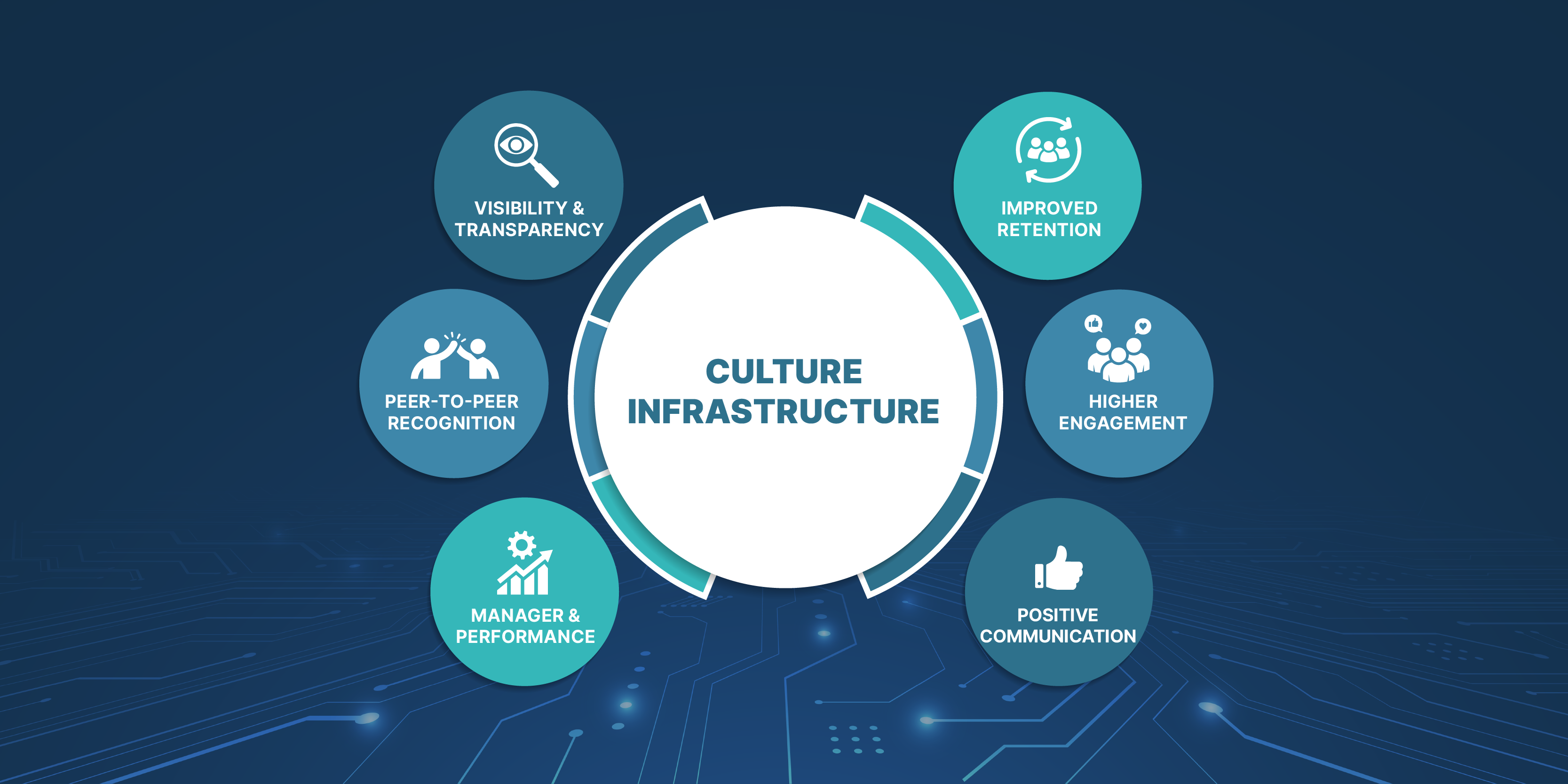
Recognition platforms help address these challenges by embedding appreciation into everyday work. Rather than relying solely on managers, employees can recognise colleagues, celebrate milestones, and reinforce behaviours that contribute to organisational success.
For HR Leaders, recognition technology has therefore become foundational infrastructure that supports culture continuously rather than periodically.
How Do Recognition Platforms Shape Daily Workplace Behaviour?
Recognition influences behaviour because employees naturally repeat actions that receive positive reinforcement. When organisations consistently recognise behaviours aligned with their values, employees understand which actions contribute to success.
According to McKinsey, organisational culture becomes sustainable when desired behaviours are reinforced through everyday management practices. Recognition platforms provide this reinforcement by integrating appreciation into daily workflows rather than treating recognition as a separate HR activity.
Examples include:
Visible recognition also encourages positive social reinforcement. Employees observe behaviours being recognised and are more likely to adopt similar actions themselves, creating a continuous cycle of cultural reinforcement.
What Makes Recognition Part of Organisational Culture?
Recognition becomes culture infrastructure when it supports organisational values consistently across every employee touchpoint rather than existing as a standalone reward programme.
A practical framework includes:
According to SHRM, recognition has the greatest organisational impact when it becomes part of everyday management rather than an occasional initiative. HR Leaders should therefore integrate recognition into onboarding, performance conversations, leadership development, wellbeing initiatives, and organisational communications.
Consistency is equally important. Employees should experience the same quality of recognition regardless of department, geography, or reporting structure. Standardised processes supported by technology help organisations reinforce culture at scale while maintaining fairness and transparency.
When recognition becomes embedded in everyday work, it evolves from a programme into an essential component of organisational culture.
How Does ApplaudIQ Support Culture Infrastructure?
Building a strong workplace culture requires more than occasional recognition campaigns. HR Leaders need a platform that embeds appreciation into daily work while providing the governance, analytics, and automation needed to sustain engagement over time.
According to Deloitte, organisations with integrated people technologies create more consistent employee experiences because managers and employees can reinforce organisational values through everyday interactions. Recognition platforms become culture infrastructure when they support ongoing participation rather than isolated recognition events.
ApplaudIQ enables organisations to strengthen culture through:
Employees can redeem rewards across a broad catalogue that includes gift cards from more than 5,000 brands, hotel bookings, flight bookings, dining vouchers, sports experiences, golf experiences, merchandise, bus bookings, concierge services, and curated experiences. This flexibility helps organisations deliver recognition that feels relevant while maintaining consistent programme administration.
What Framework Should HR Leaders Use to Build Recognition Culture?
Recognition culture develops through continuous reinforcement rather than isolated initiatives. HR Leaders should design programmes that encourage participation at every level of the organisation.
A practical framework includes:
According to Mercer, organisations that deliver consistent employee experiences strengthen engagement and organisational commitment. Recognition platforms support this objective by ensuring appreciation remains visible, timely, and aligned with business priorities.
Regular programme reviews should combine recognition analytics with employee feedback and engagement survey results. This enables HR teams to identify gaps, improve participation, and maintain cultural consistency as the organisation grows.
Which Metrics Demonstrate Culture Success?
Culture initiatives should be measured through both behavioural and business outcomes. HR Leaders should evaluate whether recognition is improving employee engagement, reinforcing organisational values, and strengthening retention.
A balanced measurement framework includes:
According to Gallup, employees who receive regular, meaningful recognition are more engaged and more likely to remain with their employer. Monitoring these indicators helps organisations refine recognition strategies while ensuring programmes continue to support long-term cultural objectives.
Culture should be treated as a measurable business asset. Recognition analytics provide HR Leaders with the visibility needed to improve employee experience through evidence-based decision-making.
Frequently Asked Questions
What is culture infrastructure?
Culture infrastructure refers to the systems, processes, technologies, and behaviours that consistently reinforce an organisation's values and desired workplace culture. Recognition platforms have become a core part of this infrastructure because they influence employee behaviour every day.
How do recognition platforms shape daily workplace behaviour?
Recognition platforms encourage employees to repeat behaviours that receive positive reinforcement. When organisations consistently recognise collaboration, innovation, leadership, and customer focus, employees naturally align their actions with those values.
Why is recognition more effective than occasional rewards?
Recognition reinforces behaviours immediately after they occur, making appreciation timely and meaningful. Regular recognition also helps employees feel valued throughout the year rather than only during annual reward cycles.
Can ApplaudIQ support organisational culture?
Yes. ApplaudIQ combines peer recognition, manager recognition, milestone celebrations, values-based awards, analytics, governance, and an integrated rewards ecosystem to help organisations strengthen workplace culture at scale.
When should HR Leaders measure recognition performance?
Recognition metrics should be reviewed continuously, with monthly operational reporting and quarterly strategic reviews. Regular measurement helps organisations improve participation, identify gaps, and maintain programme effectiveness.
Conclusion
Recognition platforms have evolved beyond employee reward systems to become essential culture infrastructure. By embedding appreciation into everyday work, organisations reinforce desired behaviours, strengthen employee engagement, and create consistent workplace experiences across teams and locations.
As organisations continue to grow and adopt hybrid working models, technology-enabled recognition will play an increasingly important role in shaping resilient, high-performing workplace cultures.
Discover how ApplaudIQ helps organisations build recognition-driven cultures through peer appreciation, automated milestone recognition, analytics, governance, and an integrated rewards ecosystem designed for modern workplaces.
Sign up for our newsletter for trending top content!


