
Frontline and blue-collar workforce recognition: strategies that drive engagement and productivity

Sign up for our newsletter for trending top content!
Introduction
Gallup’s 2024 report on employee engagement reveals that frontline and blue-collar workers are 30% more likely to stay with organisations that provide timely recognition. Yet traditional recognition systems often fail these employees due to limited access to corporate email, inconsistent communication, and lack of tailored rewards. HR Leaders in Manufacturing and Construction need strategies that are accessible, timely, and meaningful.
This article explores practical approaches to recognising frontline employees, including mobile and SMS-based programmes, reward personalisation, and culturally relevant incentives, helping leaders boost engagement, morale, and retention across dispersed workforces.
Why is frontline recognition critical for operational performance?
Frontline and blue-collar employees are the backbone of Manufacturing and Construction operations. McKinsey notes that organisations with engaged frontline workers experience 22% higher productivity and 18% lower turnover.
Challenges include:
- Limited digital access (no corporate email)
- Shift work and dispersed locations
- High operational demands that leave little time for traditional recognition
Decision framework: Focus recognition on three pillars:
- Timeliness: Recognise behaviour and performance as close to the moment as possible.
- Relevance: Tie rewards to tangible outcomes, such as safety, efficiency, or quality metrics.
- Accessibility: Deliver recognition via mobile apps, SMS, or kiosks to ensure inclusivity.
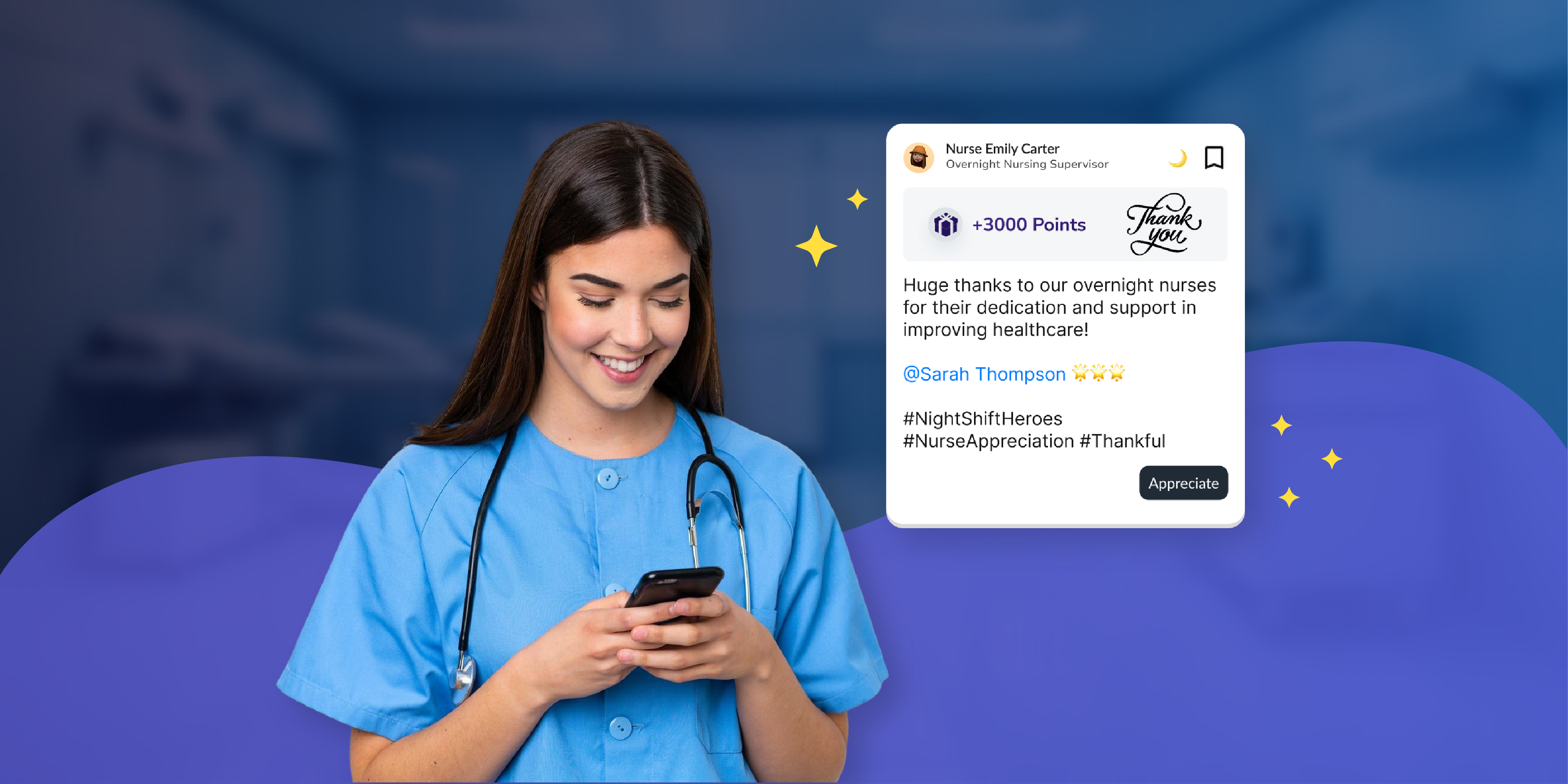
Platforms like ApplaudIQ Mobile enable HR leaders to implement recognition that is instant, trackable, and scalable across multiple sites and shifts.
How can mobile and SMS recognition improve engagement?
A Deloitte study on workforce technology adoption found that mobile recognition programmes increase participation by 35% among employees without corporate email.
Benefits include:
- Immediate delivery: Employees receive recognition regardless of location or shift.
- Increased transparency: Workers can view badges, points, and rewards in real time.
- Gamification: Points, leaderboards, and milestone tracking motivate performance.
Comparison
By leveraging mobile delivery, HR can ensure frontline workers feel valued and informed, aligning recognition with organisational objectives.
Which rewards resonate with frontline and blue-collar employees?
For rewards to motivate, they must be tangible, flexible, and relevant. SHRM research shows that reward choices linked to personal preference increase engagement by 25–30%.
Effective reward types:
- Gift cards and vouchers redeemable locally
- Experiential rewards like dining, travel, or sports
- Practical items relevant to work or lifestyle
Decision guide: Use a mix of:
- Spot rewards: Immediate recognition for exceptional performance
- Milestone rewards: Long-service awards, safety milestones, or team achievements
- Choice-based catalogues: Allow employees to select what matters most to them
ApplaudIQ Mobile enables HR Leaders to curate reward catalogues that are accessible and meaningful to blue-collar workforces, increasing participation and retention.
How can HR measure recognition effectiveness for frontline teams?
Tracking engagement and ROI is essential. Aberdeen Group reports that organisations using real-time recognition dashboards see 20% higher retention and 15% higher productivity.
Key metrics:
- Participation rate per site or shift
- Reward redemption and choice patterns
- Safety, quality, and performance outcomes linked to recognition
- Feedback scores from employees on recognition relevance
Framework: Recognition Scorecard
- Reach: % of employees recognised across shifts/sites
- Response: Redemption and acknowledgement of rewards
- Impact: Improvement in KPIs like productivity, safety, or retention
Using mobile recognition platforms, HR can track these metrics centrally, optimising programmes and proving value to leadership.
Frequently Asked Questions
How do you recognise workers without corporate email?
Use mobile apps, SMS notifications, or kiosk-based recognition to reach employees on all shifts and locations, ensuring inclusivity.
How does SMS-based recognition work?
Employees receive instant messages notifying them of achievements, points, or rewards, which they can redeem via mobile or in-person, providing timely, visible recognition.
What rewards resonate with frontline workers?
Tangible, flexible, and choice-based rewards such as local gift cards, experiential options, or practical items relevant to work and lifestyle drive engagement.
Can ApplaudIQ help deliver recognition for blue-collar teams?
Yes. ApplaudIQ Mobile enables HR Leaders to automate recognition, deliver mobile and SMS notifications, and provide curated rewards to frontline employees. (ApplaudIQ Manufacturing & Construction)
Conclusion
Recognition of frontline and blue-collar employees is critical for engagement, retention, and operational performance. HR Leaders can leverage mobile, SMS-based, and choice-driven reward programmes to reach dispersed teams efficiently.
Platforms like ApplaudIQ Mobile allow scalable, accessible, and measurable recognition, ensuring frontline employees feel valued and motivated, while improving productivity and loyalty.
See how ApplaudIQ Mobile enables recognition and rewards for frontline and blue-collar teams in Manufacturing and Construction.
Sign up for our newsletter for trending top content!


